How to Check SSI application status
Navigating the process of applying for Supplemental Security Income (SSI) can feel overwhelming, especially when you’re waiting to hear back about your application status. This guide is written for applicants in the United States (and includes a short note for those living abroad) to explain clear, secure ways to check your SSI application status and what to expect while you wait.
The process involves a few common steps — online, by phone, or in person — and staying informed can significantly reduce stress. Read on to learn three reliable ways to check your status, what documents and account information you’ll need, and how to handle delays. Checking status online or through an official social security account is secure; official notices will also arrive by mail.
By the end of this article, you’ll know practical ways to check your application, what to have ready (like medical records and application numbers), and when to contact the Social Security office for help.
Understanding SSI Applications in the United States
Navigating the SSI application process can be complex, but knowing the basics helps. Supplemental Security Income (SSI) provides monthly benefits to people who are aged, blind, or have a qualifying disability and who have limited income and resources.
What is Supplemental Security Income (SSI) for U.S. Residents
For U.S. residents, SSI eligibility depends on your income, resources, disability status, and age. The program is administered by the Social Security Administration (SSA), which evaluates financial information, medical evidence, and work history when making determinations.
Eligibility criteria generally include being age 65 or older, blind, or disabled according to SSA’s definition, and having limited countable income and resources. Applicants must provide supporting medical records and other documentation to substantiate a claim for disability benefits or security income.

Typical Processing Timeline for SSI Applications
Processing times can vary. Typically, the SSA makes an initial determination on an application in about 3 to 5 months, but complex cases or missing information can extend that timeline. Expect additional time if the SSA requests more medical evidence or schedules consultative exams.
Plan accordingly and follow up if you haven’t received a decision within the expected timeframe. Understanding the timeline helps you manage expectations and prepare for any waiting period.
To help speed the process, gather and submit complete documentation up front. Useful items include:
- Recent medical records and supporting medical evidence
- Detailed lists of treating physicians and clinics
- Work history and wage records
- Proof of income, bank statements, and records of countable resources
Missing or incomplete documents are a common cause of delays. If the SSA needs more information, they will contact you with instructions and a date by which to submit additional materials. Check processing time updates on SSA.gov and keep copies of everything you submit.
How to Check SSI Application Status: Step-by-Step Methods
Checking your SSI application status is an important part of getting Supplemental Security Income benefits. The Social Security Administration (SSA) offers several reliable ways to check your application status while you wait for a decision—online, by phone, or in person. The instructions below are written for applicants in the United States; if you live outside the U.S., see the note at the end of this section.
Online Method: Using the SSA Website
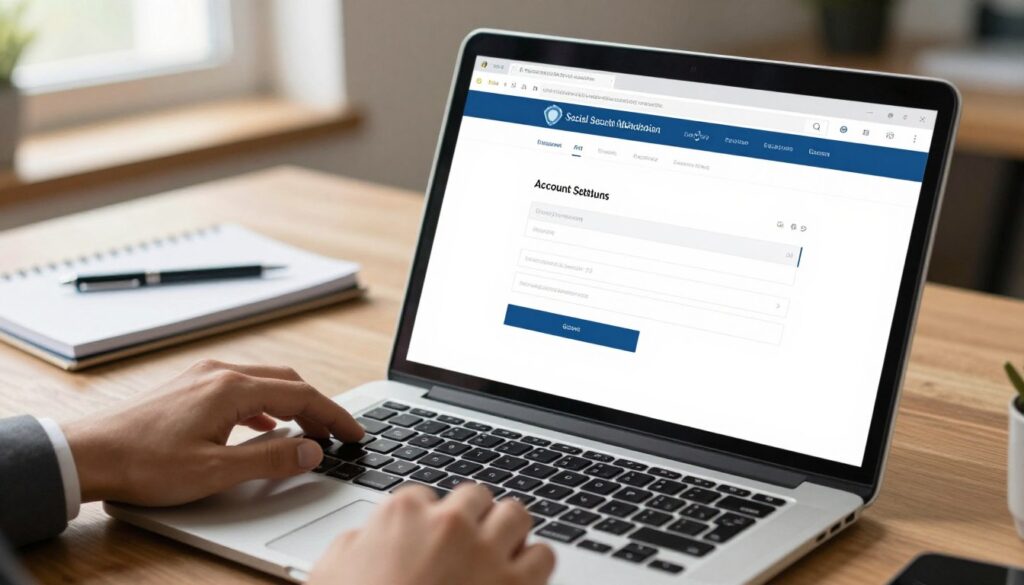
The SSA website provides a secure and convenient way to check your application status anytime. To view status updates online, create a my Social Security account and sign in.
Creating Your my Social Security Account
Steps to set up an account and access status information:
- Visit the official SSA website and click “my Social Security.”
- Provide the required personal details (name, date of birth, and SSN) and verify your identity following SSA prompts.
- Create a username and password and set up multi-factor authentication if prompted to protect your social security account.
Note: you must verify your identity to access application details. If you don’t have an SSN or can’t verify online, skip to the phone or in-person options below.
Navigating to Your Application Status
After you sign in:
- Go to “Your Applications” or “Your Benefit & Payment Information” (page names may vary).
- Look for a section labeled “Application Status,” “Your Applications,” or similar to see current updates, decision dates, and any requested documents.
- Check for status updates and any messages that list required actions or a date by which you should submit additional information.
Security tip: Always access SSA.gov directly—don’t follow links in unsolicited emails or texts. The social security account area is the safest way to view real-time updates and official notices.
Phone Method: Contacting SSA Customer Service
If you prefer to speak with someone or cannot access an online account, call the SSA. Be ready with your SSN, application number (if available), and key dates.
What to expect when you call:
- Call during business hours; expect some hold time during busy periods.
- Ask the representative to confirm your current application status, any outstanding documents they need, and the estimated time for a decision.
- Sample script: “Hello — I’m calling to check the status of my SSI application. My name is [Your Name], SSN ending in [XXX]. Can you tell me the current status and whether you need any additional medical evidence?”
If you’re calling from within the U.S., use the official SSA number listed on SSA.gov. If you must call from abroad, check SSA.gov for international dialing instructions.
In-Person Method: Visiting Your Local SSA Office
For complex cases or if you prefer face-to-face help, visit your local social security office. It’s often faster to make an appointment when possible.
Required Documentation to Bring
- SSN card or other proof of identity
- Application confirmation or any letters from the SSA
- Copies of medical records, medical evidence, and a list of treating providers
- Work history records and proof of income or resources, if applicable
The in-person visit is useful when you need to submit original documents, resolve discrepancies, or request an update on a delayed application. Check your local office hours and whether you need an appointment before you go.
Each method has pros and cons: the online route is available 24/7 and provides quick status updates; the phone option lets you ask questions directly; and an in-person visit can resolve complicated issues. If your case has delays, the SSA will typically note the reason (for example: missing medical evidence, scheduled consultative exam) and provide an expected timeline.
If you live outside the U.S.: Many SSA services require a U.S. mailing address and identity verification. Non-U.S. residents should check SSA.gov for country-specific guidance and available international contact options; some services may be limited or require contacting the nearest U.S. Embassy for referrals.
Troubleshooting and Moving Forward
Running into problems while checking your SSI application status is common — the good news is there are clear steps you can take to diagnose and resolve most delays. Below are typical causes, exactly what to do next, and how to escalate when necessary.
Common causes of delays
- Missing or incomplete documents (medical records, proof of income, or identity documents).
- SSA requests additional medical evidence or schedules a consultative exam.
- Inconsistent information on the application (name, SSN, dates, or work history).
- High workload at the local office or regional Social Security Administration processing center.
Immediate next steps
- Check your social security account online for messages and any requested items. The account area often shows exactly what the SSA needs and the date by which you should submit materials.
- Gather and submit missing materials quickly — prioritize medical records, treating physician contact information, and work history/wage records. Organize documents in a folder labeled with your name and application number.
- If you don’t have online access, call social security to confirm outstanding items (have your SSN and application number ready). Ask the representative for an estimated timeline and whether you should mail or upload documents.
How to submit additional documents
- Online: Upload through your my Social Security account if that option is shown.
- Mail: Send copies (not originals) to the address on SSA correspondence — include a cover letter with your name, SSN, and application number.
- In person: Visit your local social security office (make an appointment if possible) and ask staff how to attach documents to your file.
What to say when you call or visit
Sample phone script: “Hello, I’m calling to check the status of my SSI application. My name is [Full Name], SSN ending in [XXX]. Can you confirm whether you received my [medical records/work history] and tell me the current estimated decision time?”
When to escalate
- If you’ve submitted requested documents and there’s no update after 30 days, call again and ask to speak to a supervisor.
- If the SSA indicates missing items you already provided, request a reference number and confirm the preferred delivery method (mail, upload, or in-person).
- Consider seeking help from a benefits counselor or accredited representative if your case is complex or if you receive an unfavorable decision.
Appeals and next steps if your application is denied
If your SSI application is denied, you have the right to appeal. Typical appeal steps include Reconsideration, a Hearing before an administrative law judge, and further appeals to the Appeals Council and federal court. Each step has strict deadlines — request the denial letter and follow the appeal instructions immediately. The SSA provides timelines and forms on SSA.gov; contacting the SSA or a qualified representative can help ensure you meet appeal deadlines.
Quick troubleshooting checklist
- Confirm your application status online or by phone.
- Verify you’ve submitted all requested documents (medical records, proof of income, ID).
- Keep copies and note submission dates.
- Ask the SSA for an estimated decision date and next steps.
- Escalate after 30 days with no update or if documents are reported missing.
If you live outside the U.S., services may be limited; check SSA.gov for country-specific guidance and international contact options, and contact the nearest U.S. Embassy only for referrals — embassies generally don’t process SSI claims directly. For more detailed help, visit the official Social Security website or contact your local social security office.